

California CDL Practice Test 2026
Free CA CDL test prep — general knowledge, air brakes, hazmat & tanker
20 Free Practice Questions
Full Explanations & Citations
CHP Inspection Rules
2026 DMV Fees
50 Qs
General Knowledge
80%
to pass
CHP
roadside inspections
$100
total DMV fees
5 years
CDL validity
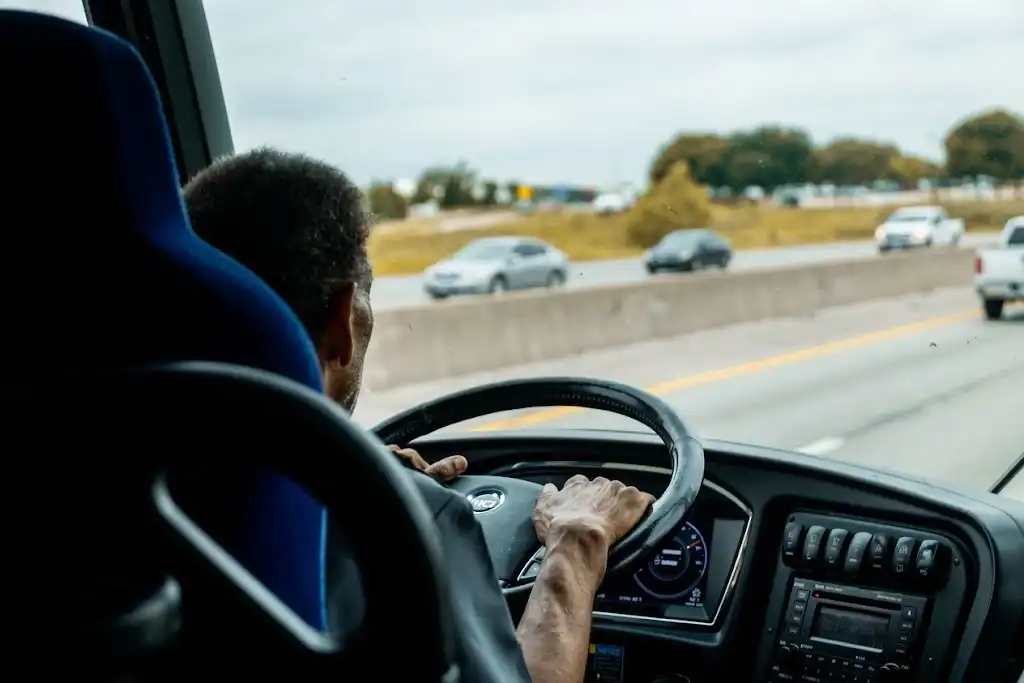
California has the largest economy of any US state and the highest agricultural output in the country — which means commercial drivers are always in demand here. But California also has one of the more involved CDL processes in the country, with state-specific rules that catch out-of-state drivers off guard.
See all CDL practice test by state.
A California Rule Most New Drivers Don’t Know
Under California Vehicle Code Section 2813, every commercial vehicle driver must stop for inspection any time the California Highway Patrol is checking vehicles at a posted location — even if you have done nothing wrong. This applies on top of your CDL testing and is enforced statewide. Many new drivers from other states are unaware this exists until they are pulled into a CHP inspection point for the first time.
California CDL at a glance — 2026 requirements
$100
Original CDL fee
$46
Skills retest fee
3 max
Skills test attempts
5 yrs
CDL renewal cycle
|
Requirement |
California rule |
|---|---|
|
Min age (intrastate) |
18 years old — California-only driving |
|
Min age (interstate/hazmat) |
21 years old — across state lines or hazmat |
|
Prerequisite license |
Must already hold a valid CA Class C driver’s license |
|
CLP hold period |
14 days minimum before skills test |
|
CLP validity |
180 days, renewable once for another 180 days (max 12 months total) |
|
CDL validity |
5 years |
|
Skills test attempts |
Maximum 3 — additional training required after that |
|
Administering agency |
California Department of Motor Vehicles (DMV) |
|
Roadside inspections |
CHP may stop and inspect any commercial vehicle (CVC §2813) |
|
Knowledge test retest wait |
1 day after 1st–2nd fail; 2 weeks after 3 fails; 6 months after 6 fails |
Important for non-citizens: As of 2026, the California DMV has temporarily paused issuing CDLs to non-domiciled applicants under new federal rules. If you do not hold full legal permanent presence in the US, confirm your eligibility with the DMV directly before starting the process or paying any training fees.
California CDL test structure
|
Field |
Details |
|---|---|
|
Test |
General Knowledge Test |
|
Questions |
50 |
|
Passing Score |
80% (40 correct) |
|
Source |
CA Commercial Driver Handbook |
|
Required For |
All CDL classes |
|
Retest Wait |
1 day (1st–2nd fail) |
|
Field |
Details |
|---|---|
|
Test |
Air Brakes Test |
|
Questions |
25 |
|
Passing Score |
80% (20 correct) |
|
Without It |
Air brakes restriction on CDL |
|
Fee |
Included in application |
|
Retest Wait |
— |
|
Field |
Details |
|---|---|
|
Test |
Combination Vehicles Test |
|
Questions |
20 |
|
Passing Score |
80% |
|
Required For |
Class A CDL only |
|
Covers |
Coupling, trailer control, rollover |
|
Retest Wait |
— |
|
Field |
Details |
|---|---|
|
Test |
Skills Test (3 parts) |
|
Parts |
Pre-trip, basic control, road test |
|
Max Attempts |
3 |
|
First Attempt |
Included in fee |
|
Retest Fee |
$46 per attempt |
|
Location |
Select DMV field offices |
Save time and money: Take the General Knowledge, Air Brakes, and Combination Vehicles tests in one DMV visit. Your $100 application fee already covers up to three knowledge test attempts and your first skills test — passing everything on the first try means you only pay once.
How to get your California CDL — step by step
- Get a standard California Class C license first: You must already hold a non-commercial California driver’s license before you can apply for a CLP. A temporary or interim license is acceptable.
- Get a DOT physical exam: Visit an FMCSA-certified medical examiner ($75–$150). Since June 2025, interstate driver medical results are submitted electronically to the National Registry. Intrastate-only drivers may still use a paper Medical Examiner’s Certificate.
- Complete ELDT theory training: Required since February 2022 for all new CDL applicants, upgrades from B to A, and most endorsement additions. Use an FMCSA-registered training provider.
- Submit your 10 Year History Record Check: If you’ve held a license in another state in the last 10 years, California requires this additional background form (DL 939) before issuing your CLP.
- Complete the online CDL application and visit a DMV office: Bring your Class C license, Medical Examiner’s Certificate, and required ID documents. Pass the vision exam and knowledge tests. Pay the $100 application fee — this covers your CLP and up to three knowledge test attempts.
- Hold your CLP for at least 14 days: Federal law requires this minimum hold before the skills test. Practice driving with a qualified CDL holder during this time.
- Complete behind-the-wheel training: Schedule your ELDT hands-on hours to run alongside your CLP hold period at an FMCSA-registered school.
- Schedule and pass your skills test: Call to book an appointment at a DMV field office offering CDL skills testing. Pass all three parts — pre-trip inspection, basic control skills, and road test. You get up to 3 attempts; retests after the first cost $46.
- Receive your California CDL: Once issued, your CDL is mailed to you. It is valid for 5 years. A medical exam is required every 2 years to keep your CDL active.
The CHP roadside inspection rule — what every CA commercial driver should know
This is the single most overlooked California-specific rule, and it is not covered in most other practice test guides. Under California Vehicle Code Section 2813, any commercial vehicle driver must stop and submit to inspection at a posted CHP inspection location — this is separate from your CDL exam and happens throughout your driving career.
- Who it applies to: Nearly all commercial vehicles, including most pickup trucks over certain weight thresholds. Only vehicles at locations explicitly marked “no pickups” are exempt for that vehicle type.
- What happens at the stop: A CHP officer or Motor Carrier Specialist inspects your license, log book, vehicle condition, and required documents.
- Hazmat loads: If you are hauling hazardous materials, additional inspection forms (such as CHP 800C) may apply and your route may be restricted on certain highways.
- Terminal inspections: Separately, carriers operating in California are subject to the CHP’s Basic Inspection of Terminals (BIT) program — a biennial review of vehicle maintenance and driver records at the company level, not the individual driver level.
New drivers — especially those who trained out of state — are sometimes caught off guard the first time they are waved into a CHP inspection point. Knowing this rule exists before your first solo trip removes the surprise.
See Texas CDL Practice Test and Florida CDL Practice Test.
California CDL endorsements
|
Endorsement |
Code |
Test questions |
Extra requirement |
|---|---|---|---|
|
Hazardous Materials |
H |
30 questions |
TSA background check — 30–60 days, $86.50 |
|
Tank Vehicle |
N |
20 questions |
Knowledge test only — no TSA, no wait |
|
Hazmat + Tanker (X) |
X |
H + N tests |
Required for fuel hauling in California |
|
Passenger Vehicle |
P |
20 questions |
Separate P skills test required |
|
School Bus |
S |
20 questions |
Background check + separate skills test |
|
Doubles/Triples |
T |
20 questions |
Knowledge test only |
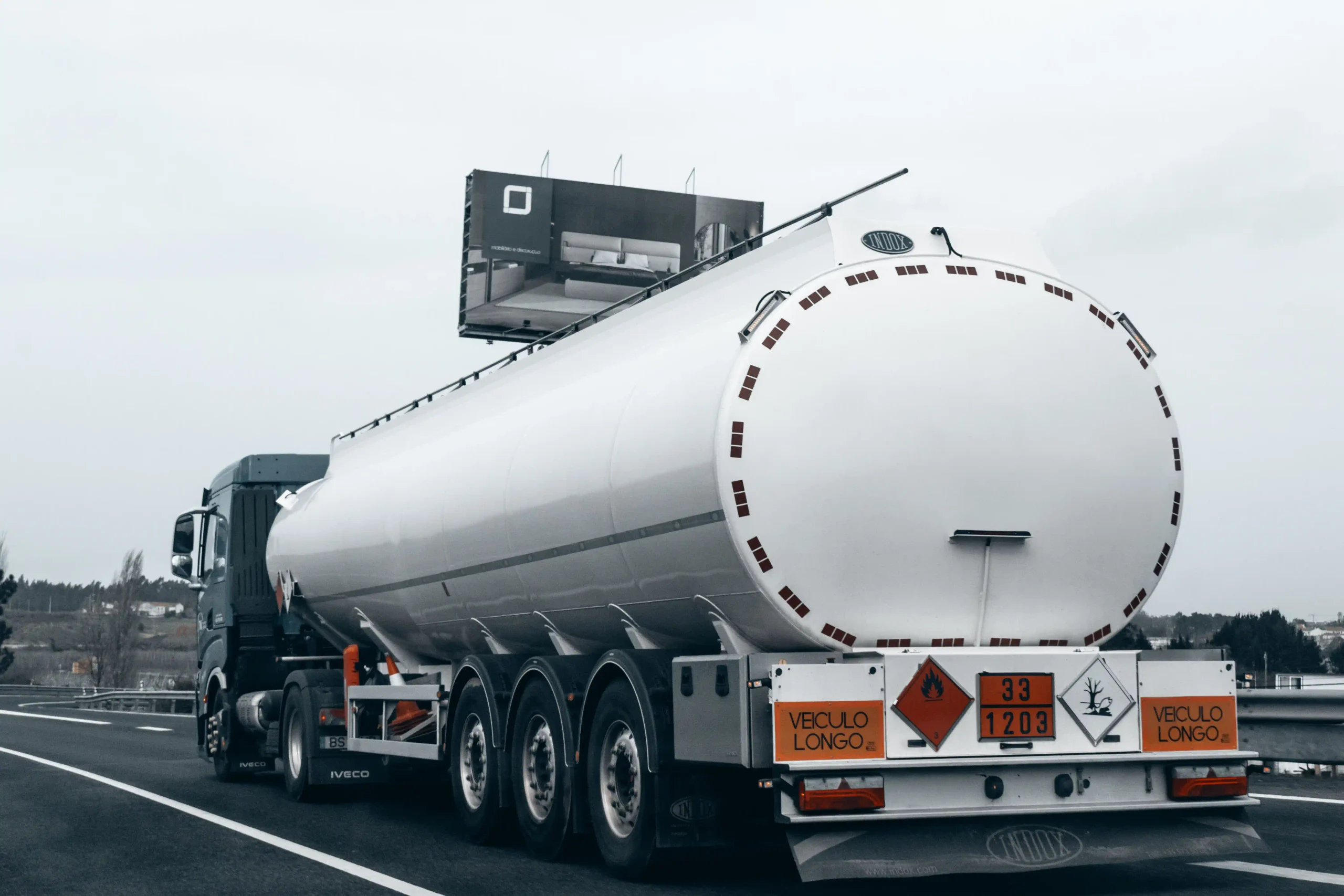
California’s massive logistics network around the Port of Los Angeles, Port of Long Beach, and the Central Valley agricultural corridor means the X endorsement (hazmat + tanker) is in steady demand for fuel and chemical transport. Study guides: hazmat endorsement and full endorsement bundle.
What to study for the California CDL test
The California CDL test is based on the California Commercial Driver Handbook, which follows the same FMCSA federal template used nationwide, with California-specific additions for fees, DMV locations, and state vehicle code rules.
- California Commercial Driver Handbook: Download free from the California DMV website (dmv.ca.gov). Covers general knowledge, air brakes, combination vehicles, and all endorsements.
- General Knowledge section: Safe driving, vehicle inspection, cargo handling, hazardous conditions — the core 50-question test.
- Air Brakes section: Required for most Class A and many Class B vehicles. See the full air brakes guide for PSI numbers and inspection steps.
- Combination Vehicles section: Required for Class A. Covers coupling, trailer dynamics, and rollover prevention — especially relevant on California’s mountain grades like the Grapevine and the Altamont Pass.
- Endorsement sections: Study hazmat and tanker chapters if pursuing those endorsements — each has its own separate test.
Study order: Start with the General Knowledge chapter, then Air Brakes, then Combination Vehicles if going Class A. Take the practice test on this page to check your readiness before your DMV visit — and remember you only get 3 knowledge test attempts before facing a 2-week wait.
California CDL trucking jobs — why demand stays high
California consistently ranks among the top states for CDL job openings. Here is why:
- Largest port system in the country: The Port of Los Angeles and Port of Long Beach together handle more container volume than any other US port complex — creating constant demand for drayage and regional drivers.
- Largest agricultural output in the US: The Central Valley produces more fruits, vegetables, and nuts than any other region in the country. Produce hauling is steady, seasonal, year-round work.
- Massive consumer population: Over 39 million residents means constant demand for local delivery, retail distribution, and last-mile freight drivers.
- Entertainment and tech logistics: Specialized freight tied to film production, tech manufacturing, and e-commerce distribution centers (especially in the Inland Empire) adds higher-paying specialized routes.
- Higher wages, higher cost of living: California wages for CDL drivers run above the national average, but cost of living — especially housing — is also higher. Factor this in when comparing job offers to other states.
For full salary data by job type, experience, and state, see How Much Does a CDL Cost in 2026?
Frequently Asked Questions
Free TX CDL study guide
Top 50 CDL questions with explanations — covers general knowledge, air brakes, and more.
48 Free CDL Lessons
Every knowledge test section. No account needed. Works on mobile.
Texas endorsement prep
Air Brakes, Hazmat, and Tanker packs — essential for Texas oil field and fuel hauling.