

How Much Does a CDL Cost in 2026?
By PassMyCDL Team .
September 17, 2026
Do you know how much does a CDL Cost? Getting a CDL costs between $3,000 and $10,000 in 2026 — but that wide range hides a lot. The difference between $3,000 and $10,000 comes down almost entirely to how you choose to do your training. The non-training costs — state fees, medical exam, and testing — are small and predictable. The training cost is where real decisions and real savings happen.
This guide breaks down every cost you will encounter, explains what is worth paying for and what is not, and shows you the three paths most people take to get their CDL — including how to do it for free.
Minimum cost
$0
Employer-sponsored program — company pays, you commit to drive for them
Most people pay
$3,000–$7,000
Private CDL school including all fees and training
High end
$10,000+
Premium private schools in high-cost states
CDL cost calculator — estimate your total
Use this calculator to get a rough estimate based on your training path and state. Exact fees vary — always check your state DMV for current numbers.
The complete CDL cost breakdown
Here is every cost you will encounter, in the order you pay them.
|
Cost item |
Typical range |
Notes |
|---|---|---|
|
DOT physical exam |
$75–$150 |
Must be done by FMCSA-certified medical examiner. Required before CLP application. |
|
CLP permit fee |
$0–$125 |
State DMV fee to issue your Commercial Learner Permit. Varies widely by state. |
|
CDL knowledge test fee |
$0–$100 |
Many states include this in the CLP or CDL license fee. Some charge separately. |
|
CDL training school |
$1,500–$10,000 |
The biggest variable. Community college at the low end, premium private school at the high end. |
|
CDL skills test fee |
$0–$250 |
Third-party testing centers often charge more than DMV testing. Some schools include this. |
|
CDL license issuance fee |
$5–$165 |
State fee to issue the actual CDL. Iowa charges $8; New York charges $164.50. |
|
$0–$30 |
Usually just a knowledge test — no extra skills test. Often included in CDL fee. |
|
|
$86–$200 |
Includes TSA background check ($86.50 federal fee) plus state knowledge test fee. |
|
|
$5–$30 |
Knowledge test only. Low cost — usually just the state endorsement fee. |
|
|
Study materials |
$0–$149 |
The FMCSA CDL manual is free online. Paid prep courses like PassMyCDL range $49–$149. |
|
Drug and alcohol testing |
$30–$75 |
Some employers require pre-employment testing. Some schools include this in tuition. |
The three paths to a CDL — and what each costs
Most people take one of three paths to get their CDL. Each has a very different cost profile and tradeoff.
Path 1 — Employer-Sponsored
$0 upfront
- Trucking company pays for school
- You commit to drive for them 1–2 years
- Pay during training in some programs
- Common carriers: Werner, CRST, Swift, Prime
- Starting pay often lower than independent
- Limited job choice after training
Path 2 — Community College
$1,500–$3,000
- Most affordable paid option
- Financial aid and grants available
- Often longer programs (8–16 weeks)
- Waitlists common at popular schools
- Sometimes automatic transmission only
- No job placement guarantee
Path 3 — Private CDL School
$3,000–$10,000
- Fastest completion (3–4 weeks)
- Manual and automatic transmission
- Job placement assistance common
- Flexible scheduling
- Higher upfront cost
- No employer commitment required
Which path is right for you? If cash is tight, employer-sponsored is the clearest path to zero out-of-pocket cost — but you accept lower starting pay and limited flexibility. If you want independence from day one, private school gives you the most choices. Community college is the sweet spot if you qualify for financial aid and can wait for a spot.
State CDL license fees — what your DMV charges
These are the government fees only — not training. These numbers are what you pay your state DMV regardless of which training path you take.
|
State |
CDL Class A Fee |
CLP Permit Fee |
Endorsement Fee |
|---|---|---|---|
|
Alabama |
$66.25 |
$36.25 |
$5.00 |
|
Alaska |
$120.00 |
$15.00 |
$5.00 |
|
Arizona |
$25.00 |
$25.00 |
$10.00 |
|
California |
$82.00 |
$39.00 |
$48.00 |
|
Colorado |
$17.08 |
$18.52 |
Included |
|
Florida |
$75.00 |
Included |
$7.00 |
|
Georgia |
$32.00 |
$10.00 |
Included |
|
Illinois |
$60.00 |
$50.00 |
$5.00 |
|
Indiana |
$35.00 |
$17.00 |
$19.00 |
|
Iowa |
$8.00 |
$12.00 |
$5.00 |
|
Maryland |
$64.00 |
$106.00 |
Included |
|
Massachusetts |
$75.00 |
$30.00 |
Included |
|
Michigan |
$25.00 |
$25.00 |
$5.00 |
|
Minnesota |
$51.00 |
$13.00 |
$2.50 |
|
Missouri |
$25.00 |
$25.00 |
$2.50 |
|
Nevada |
$58.25 |
$57.25 |
$10.00 |
|
New Jersey |
$42.00 |
$125.00 |
$2.00 |
|
New York |
$164.50 |
$10.00 |
$5.00 |
|
North Carolina |
$20.00 |
$21.50 |
Included |
|
Ohio |
$43.50 |
$28.50 |
Included |
|
Pennsylvania |
$86.50 |
Included |
Included |
|
Texas |
$97.00 |
$25.00 |
Included |
|
Virginia |
$64.00 |
$3.00 |
Included |
|
Washington |
$27.00 |
$40.00 |
Included |
|
Wisconsin |
$74.00 |
$30.00 |
Included |
State fees are a small part of the total cost. Even in the most expensive state, government fees rarely exceed $400–$500. The real cost variable is always training.
The hazmat endorsement costs more than other endorsements
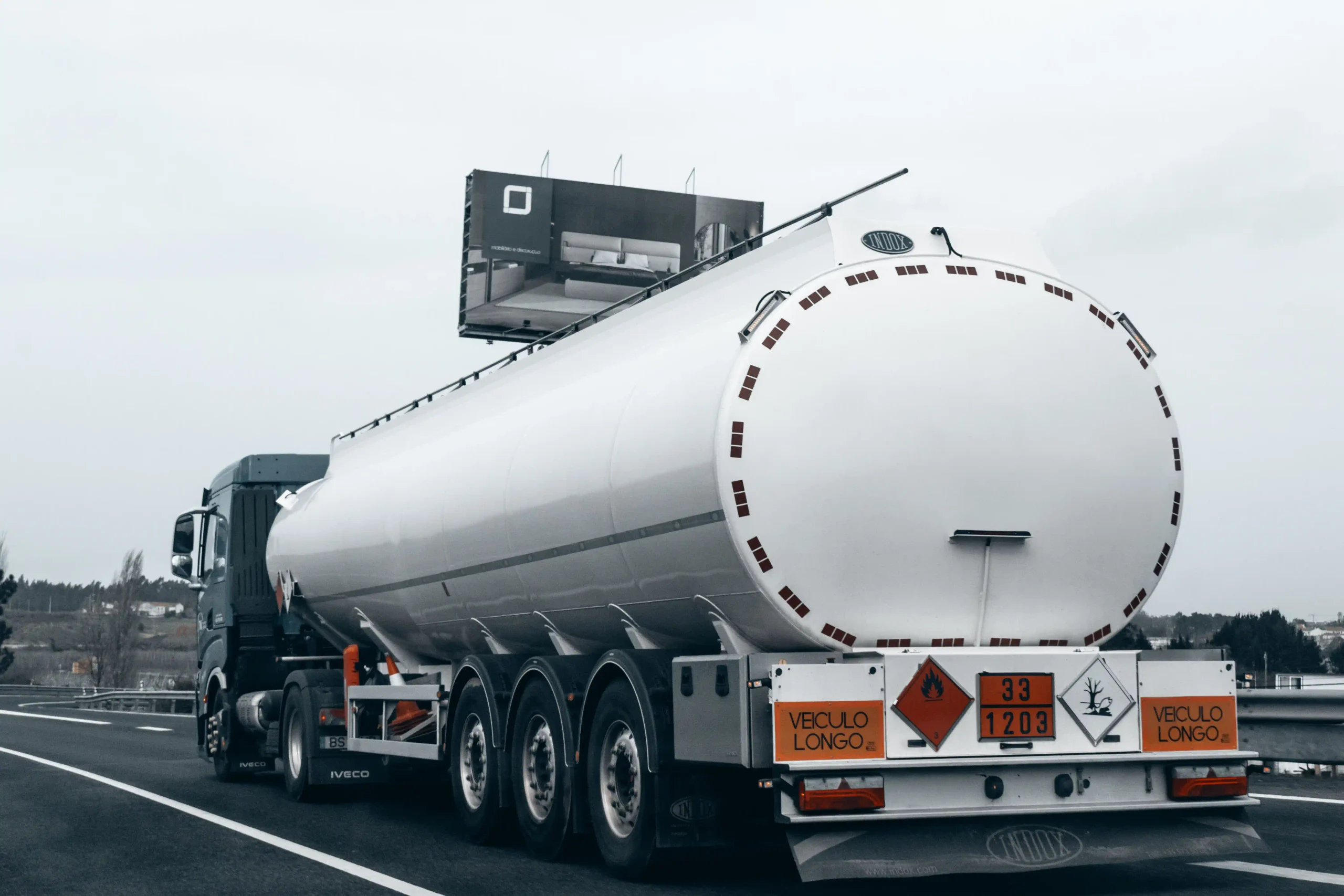
If you plan to get the hazmat endorsement, budget for extra costs that other endorsements do not have. Hazmat is the only endorsement that requires a TSA background check — this is a federal security requirement because hazmat drivers have access to dangerous materials.
- TSA background check fee: $86.50 (federal, non-negotiable)
- Fingerprinting appointment: Required in person at a TSA enrollment center
- Processing time: 30 to 60 days — plan ahead, it runs concurrent with school
- State knowledge test fee: Varies, typically $10–$30
- Hazmat endorsement on license: Varies by state, typically $5–$50
Total hazmat cost on top of a standard CDL: roughly $120–$200. The wait time is the bigger issue. If you want hazmat, start the TSA application before you finish school so you are not waiting after graduation.
Learn more about the hazmat endorsement process in our full CDL blog.
Hidden costs most people do not budget for
The price on a school’s website rarely includes everything. Here are the costs that catch people off guard.
|
Hidden cost |
Typical amount |
When it hits |
|---|---|---|
|
Retake fees for failed knowledge test |
$10–$100 per attempt |
If you fail and need to rebook |
|
Retake fees for failed skills test |
$50–$250 per attempt |
If you fail the road test |
|
Lost income during training |
3–4 weeks of your current pay |
Full-time school means no work |
|
Third-party skills testing |
$150–$300 |
If your school uses a private test site |
|
Drug screening |
$30–$75 |
Pre-employment or school requirement |
|
CDL medical certificate renewal |
$75–$150 every 1–2 years |
Ongoing after you have your CDL |
|
Study materials and exam prep |
$0–$149 |
Before knowledge test — optional but valuable |
How long does it take to pay back your CDL investment?
This is the question most articles about CDL costs skip entirely — and it is actually the most important number. The cost of getting a CDL matters much less than how quickly you earn it back.
At a starting salary of $55,000 per year — which is conservative for a Class A driver — you earn about $4,583 per month before taxes. A $5,000 CDL investment takes roughly 5 to 6 weeks of gross income to recover. Even a $10,000 investment is recovered in about 3 months of working.
|
Training cost |
Starting salary |
Break-even time |
10-year return |
|---|---|---|---|
|
$0 (employer-sponsored) |
$50,000/yr |
Day 1 |
$500,000+ |
|
$3,000 (community college) |
$55,000/yr |
~3 weeks |
$547,000+ |
|
$5,000 (private school) |
$60,000/yr |
~5 weeks |
$595,000+ |
|
$8,000 (premium school) |
$65,000/yr |
~7 weeks |
$642,000+ |
The point is that CDL training has one of the fastest payback periods of any vocational investment. A $10,000 business school course might take years to produce income. A $10,000 CDL program produces income within weeks. The cost question should always be followed by the payback question — and the answer almost always favors getting the CDL.
How to reduce your CDL costs
Here are the most practical ways to pay less for your CDL without cutting corners on preparation.
- Study before your knowledge test — every retake costs money and delays your CLP. Free resources like the FMCSA manual and PassMyCDL free lessons cost nothing and significantly reduce the chance of failing.
- Apply for employer sponsorship — carriers like Werner, CRST, Prime, and Swift all have paid training programs. You work for them after graduating, but your out-of-pocket cost is zero.
- Check for workforce development grants — the Workforce Innovation and Opportunity Act (WIOA) provides training grants in every state. Contact your local American Job Center to see if you qualify.
- Look into community college programs — far cheaper than private schools and eligible for federal financial aid. The tradeoff is longer programs and possible waitlists.
- Take all your knowledge tests in one DMV visit — if you want air brakes and tanker endorsements, study for them at the same time as general knowledge so you pass all tests in one trip. Separate trips mean separate fees and more wasted time.
- Use a school that includes skills testing — some schools charge separately for the skills test; others include it. Ask before enrolling.
- Compare exam prep costs honestly — paid courses like our endorsement packs ($49–$149) cost a tiny fraction of CDL school tuition and can prevent expensive retakes on endorsement tests.
Reduce your total CDL cost — start studying free
The biggest avoidable cost is failing your knowledge test and paying retake fees. PassMyCDL’s 48 free lessons cover every section of the FMCSA manual. Use them before your DMV visit and pass on the first try.
Frequently Asked Questions
Free TX CDL study guide
Top 50 CDL questions with explanations — covers general knowledge, air brakes, and more.
48 Free CDL Lessons
Every knowledge test section. No account needed. Works on mobile.
Texas endorsement prep
Air Brakes, Hazmat, and Tanker packs — essential for Texas oil field and fuel hauling.