

Owner Operator vs Company Driver: Which Pays More?
By PassMyCDL Team .
September 19, 2026
Every CDL holder eventually hears the pitch: “Owner operators make $200,000 a year.” It’s technically true — and almost completely misleading. That number is gross revenue, not income. Once fuel, truck payments, insurance, maintenance, and self-employment tax come out, the real gap between owner operators and company drivers is much smaller than the headlines suggest.
This guide breaks down real 2026 net income numbers for both paths, explains the lease-purchase trap that catches new owner operators most often, compares the actual risk involved, and includes a calculator so you can estimate your own take-home pay under each path.
The single rule that matters most: Never compare gross to gross. A company driver earning $68,000 gross keeps roughly $55,000 after tax. An owner operator grossing $220,000 might keep $82,000 — or $40,000 in a bad year. Always compare net income, not the number on the contract.
Read about Is a CDL worth it in 2026?
Company driver vs owner operator — the real numbers
Here’s the side-by-side that most articles skip straight past on their way to the gross income headline.
Company Driver
Gross income (W-2)
$55,000–$85,000
Typical net (take-home)
$48,000–$72,000
- Truck, fuel, insurance — all employer-paid
- Steady paycheck regardless of freight market
- No unreimbursed business expense deductions
- Employer pays half of FICA tax
🚛 Owner Operator
Gross revenue (1099)
$200,000–$350,000
Typical net (after expenses)
$64,000–$87,000
- Truck payment, fuel, insurance — all self-paid
- Income fluctuates with freight market and breakdowns
- Can deduct truck, fuel, per diem, maintenance
- Pays full 15.3% self-employment tax
The net income gap is real but modest for the typical owner operator — roughly $10,000 to $15,000 more per year than a company driver, according to ATBS client data. The headline-grabbing numbers belong to the top performers: the top third of ATBS long-term clients average $156,000 net, but that comes with 70+ hour weeks, years of experience, and strong business management skills most new owner operators haven’t developed yet.
The lease-purchase trap
This is the single most common way new owner operators lose money, and it’s worth understanding before you sign anything. Lease-purchase programs are marketed as the easy entry point into ownership — no money down, a fixed weekly payment, and the truck is yours after a set number of payments.
The math rarely works in the driver’s favor. A typical pitch: $900 a week for 156 weeks on a truck worth roughly $100,000. That totals $140,400 — 40% more than the truck is worth. Miss a payment during a slow month, and most programs let the carrier keep the truck and everything paid toward it so far, with no equity returned.
Before signing a lease-purchase agreement: Calculate the total of all payments over the full term and compare it to the truck’s actual market value. If the total exceeds the truck’s value by more than 10–15%, you are likely paying for the carrier’s risk, not building equity in an asset. Get the full payment schedule and default terms in writing before committing.
Risk: the factor most people underestimate
Pay comparisons get all the attention, but risk is where the two paths diverge most sharply — and it rarely makes it into the gross income pitch.
Company Driver — Worst Case
You lose your job. You file for unemployment, update your resume, and apply at another carrier. CDL holders are in chronic demand — most experienced drivers are working again within 1 to 2 weeks.
Owner Operator — Worst Case
An engine failure ($25,000+) hits during a freight market downturn. You can’t make the truck payment. You lose the truck, your down payment, your credit score, and the business. Recovery can take years — this happened to thousands of owner-operators during the 2022–2023 freight recession when spot rates dropped roughly 50% from pandemic highs.
This asymmetry is the real reason most experienced advisors recommend spending several years as a company driver before taking on ownership — not because driving skills differ, but because the financial downside of a bad year is categorically different.
How the two paths are taxed
|
Factor |
Company Driver (W-2) |
Owner Operator (1099) |
|---|---|---|
|
Tax form |
W-2, taxes withheld automatically |
1099-NEC, files Schedule C |
|
FICA / self-employment tax |
Employer pays half |
Pays full 15.3% themselves |
|
Business expense deductions |
Cannot deduct unreimbursed expenses |
Deducts truck, fuel, insurance, per diem, maintenance |
|
Retirement accounts |
Standard employer 401(k) if offered |
Solo 401(k), SEP-IRA — higher contribution limits |
|
Equipment tax benefits |
None — no equipment owned |
Section 179 expensing, bonus depreciation on truck purchase |
|
Tax complexity |
Low — standard employee filing |
High — usually requires a tax professional |
The tax code genuinely favors owner operators in some ways — the deductions are real and meaningful. But they only help if there’s enough net income to deduct against, and the added complexity means most owner operators need to budget for a tax professional, which is itself an additional cost company drivers never face.
What actually determines owner operator success
Industry data consistently shows the same pattern: the spread between a struggling owner operator and a thriving one is almost never about driving skill. It’s about business skill.
- Lane and rate negotiation — knowing which lanes pay well and which broker rates are worth taking versus walking away from.
- Cost discipline — fuel efficiency, preventive maintenance scheduling, and avoiding unnecessary deadhead miles compound into thousands of dollars per year.
- Cash flow management — brokers often pay 30 to 60 days after delivery. Owner operators without a cash buffer or factoring service can find themselves unable to cover fuel for the next load.
- Maintenance reserve discipline — setting aside money specifically for the inevitable major repair, rather than treating every dollar of revenue as spendable income.
The honest path most successful owner operators take: Spend 2 to 3 years as a company driver first. Build a clean safety record, save $20,000 to $30,000, and learn the freight market by watching rates and lanes before any money is on the line. The drivers who skip this step and jump straight into a truck purchase or lease-purchase are disproportionately represented among those who lose the truck within the first year.
Which one should you choose?
There’s no universal right answer, but the decision usually comes down to a few honest questions about your own situation.
- Choose company driver if: You want predictable income, you’re new to trucking or new to the specific freight market, you don’t have $20,000+ in savings as a financial cushion, or you simply prefer driving without the added work of running a business.
- Consider owner operator if: You have 2+ years of clean driving experience, a meaningful savings cushion, genuine interest in the business side (rate negotiation, cost tracking, tax planning), and you’ve done the gross-vs-net math honestly rather than chasing the headline number.
Whichever path you choose, the foundation is the same — a strong CDL with the right endorsements opens better-paying company positions and better lease terms if you do go the ownership route. See how to get hazmat endorsement CDL. for the full company-driver pay breakdown by job type and endorsement, and CDL Endorsements: Complete List and Guide for which certifications pay the most regardless of which path you take.
Building toward either path starts the same way
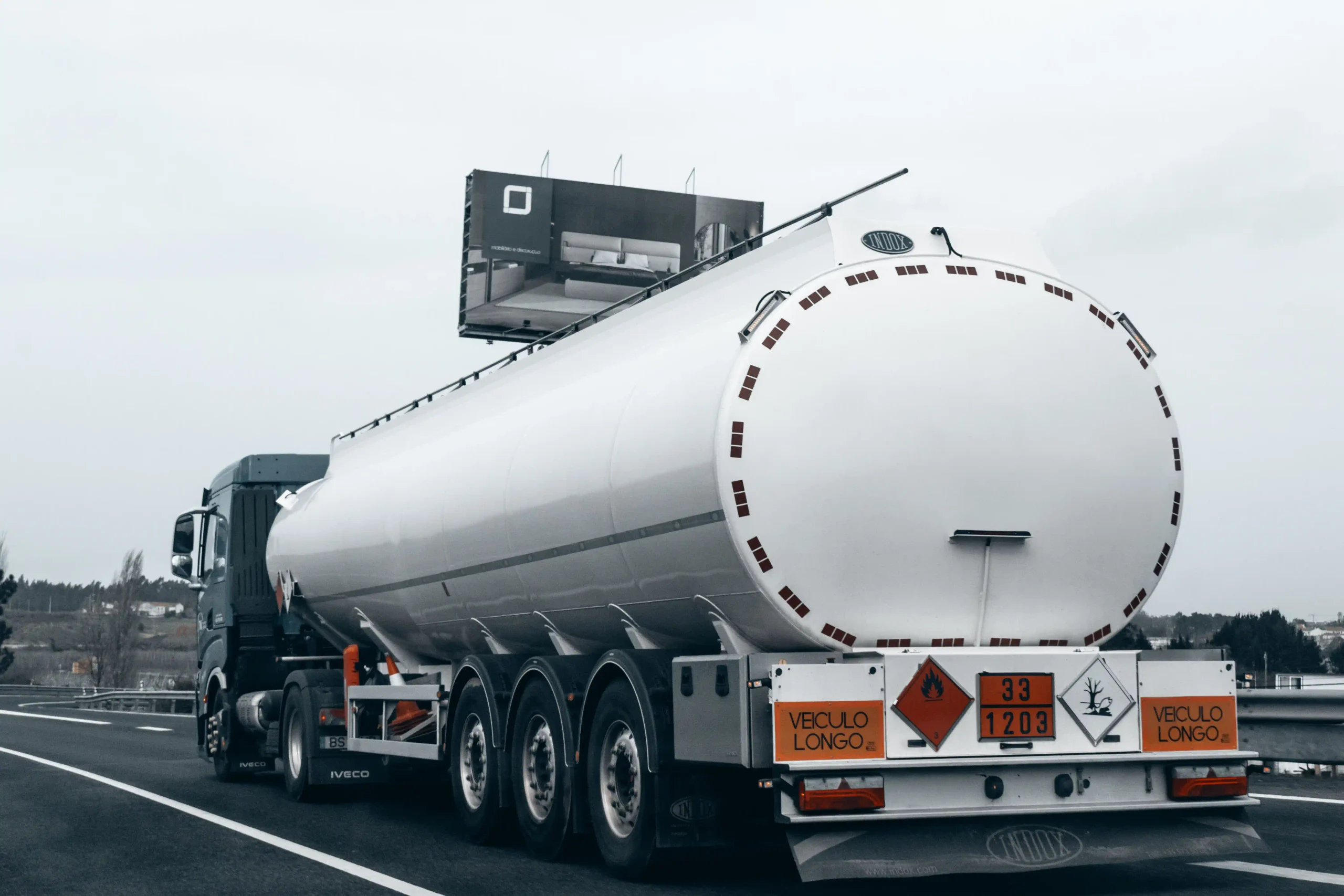
Whether you stay a company driver or eventually go independent, the endorsements that pay the most — hazmat, tanker, and the X combination — are the same ones that make you a stronger candidate or a more profitable owner operator.
Frequently Asked Questions
Free TX CDL study guide
Top 50 CDL questions with explanations — covers general knowledge, air brakes, and more.
48 Free CDL Lessons
Every knowledge test section. No account needed. Works on mobile.
Texas endorsement prep
Air Brakes, Hazmat, and Tanker packs — essential for Texas oil field and fuel hauling.