Best States for CDL Truck Drivers in 2026
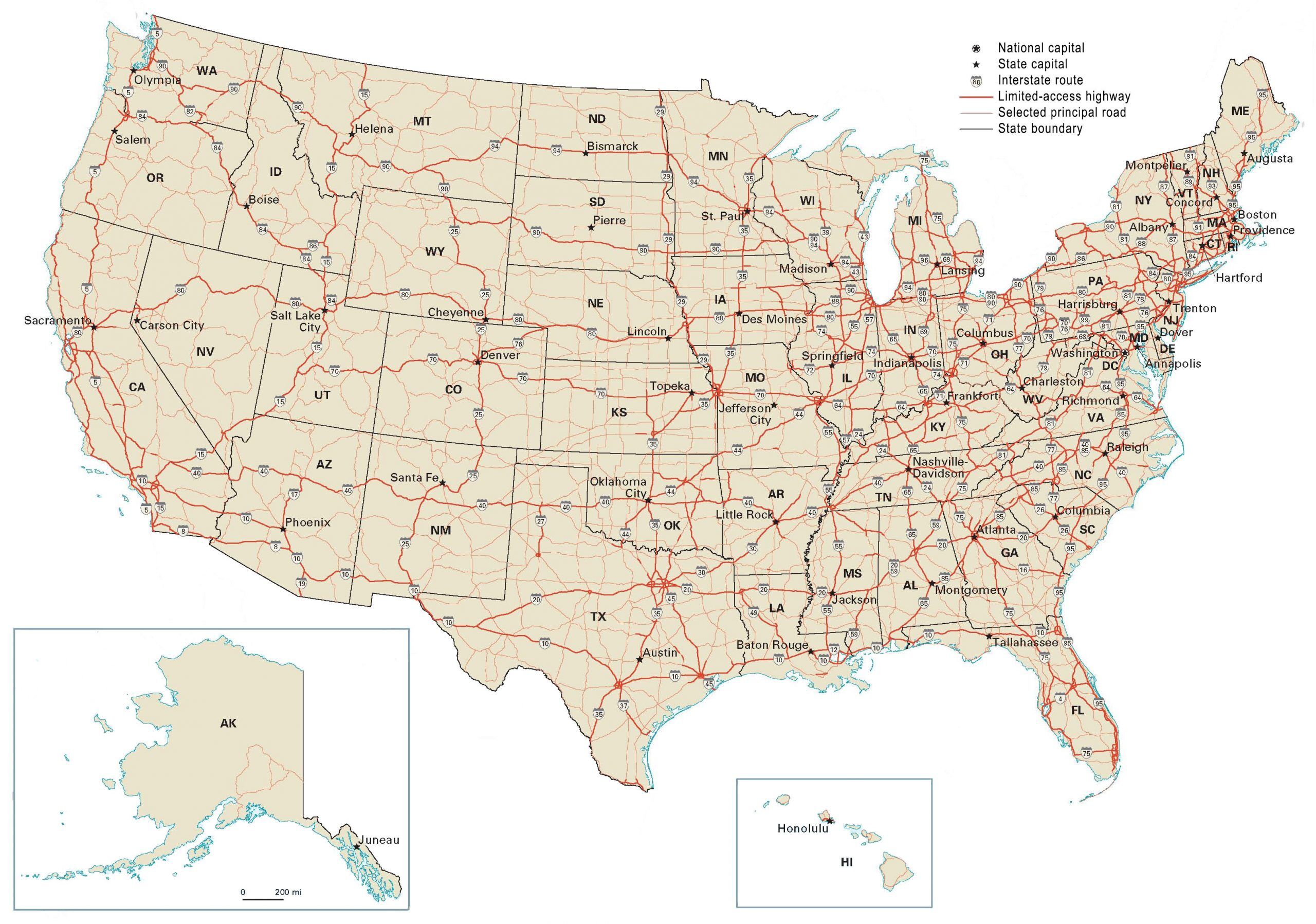
Most "best states for truckers" lists rank states by salary alone. That's the wrong way to read this data. A driver earning $80,000 in California can take home less actual buying power than a driver earning $65,000 in Texas, once state income tax and cost of living are factored in. This guide ranks states the way they should be ranked — by what your paycheck actually buys, not just the number on it — and includes a calculator so you can compare any two states directly.
The single most important fact in this article: Seven states charge zero state income tax — Texas, Florida, Tennessee, Nevada, Wyoming, South Dakota, and Washington. For a $70,000 salary, that alone is worth $3,000 to $7,000 a year compared to high-tax states. No endorsement, no extra hours, no risk — just geography.
Top states by real, adjusted value — not just gross pay
These three consistently come out on top when pay, cost of living, and tax burden are all weighed together.
North Dakota
Highest average pay in the industry, driven by oil and gas hauling demand. Reasonable cost of living makes this the best net-income state for most drivers.
Texas
No state income tax, massive freight volume, and low cost of living outside major metros. The largest concentration of trucking companies in the country.
Indiana
The "Crossroads of America" — I-65, I-70, and I-69 intersect here. Flat 3.05% income tax and low cost of living make this a top pick for trucking families.
Illinois ($73,205) and Wyoming ($70,617) also rank among the highest-paying states industry-wide, though Illinois carries a higher cost of living than Indiana or Texas, and Wyoming's brutal winter winds and road closures on I-80 are a real lifestyle tradeoff for the pay premium.
The seven no-income-tax states
This is the single easiest lever to pull for more take-home pay without changing jobs, endorsements, or experience level.
Four of these states — Texas, Florida, Tennessee, and Washington — also have major freight hubs, meaning the tax advantage isn't a tradeoff against job availability. We've already covered Texas and Florida in detail if you're considering either for your CDL.
Compare your real purchasing power
Pick a gross salary and two states to see how take-home pay actually compares once tax and cost of living are factored in.
🗺️ State Value Calculator
Estimates based on 2026 state tax rates and cost of living indices. Your actual numbers will vary by city and carrier.
Estimates only. State tax uses a simplified average effective rate for this income level. Cost of living index is a statewide average and varies by city.
The states that look better than they actually are
This is the trap nearly every "best states" article ignores. A high salary headline means nothing if taxes and cost of living eat it alive.
| State | Why it looks good | What the headline hides |
|---|---|---|
| California | High nominal pay, often $72,000–$78,000 | State income tax up to 13.3% plus one of the highest costs of living in the country — an $80,000 salary can net less real value than $65,000 elsewhere |
| New York | Strong freight demand, high posted wages | High state tax and extremely high cost of living, especially around NYC, erode most of the pay advantage |
| Alaska | Some of the highest average salaries in the country | Cost of living index around 127.7 — among the highest in the nation — eats much of the premium; remote routes and extreme weather add real lifestyle cost |
| Wyoming | High pay, major I-80 logistics corridor | Brutal winter winds and road closures are common; low population means carriers import labor at a premium, but it's a real lifestyle tradeoff |
Pay vs. demand — they don't always line up
The highest-paying state isn't always the easiest to find work in, and the busiest freight states aren't always the highest payers. Here's how the two factors actually interact.
- Texas and California have the largest overall trucking job markets by sheer volume — more open positions, more carriers, more freight moving — even though per-driver pay in California gets eaten by tax and cost of living.
- Illinois sits at the crossroads of major national freight lines, carrying some of the country's busiest intermodal volume through the Chicago hub, which keeps demand consistently strong. We cover Illinois-specific CDL rules in our Illinois CDL practice test guide.
- North Dakota and Wyoming pay well specifically because demand outpaces local population — carriers have to offer a premium to attract drivers willing to work in remote, harsh-weather regions.
- Missouri and Kansas sit at the I-70/I-35 crossroads around Kansas City, offering solid, steady demand with a much lower cost of living than coastal markets, even though headline pay is more modest ($47,000–$50,000).
The BLS location quotient — what it actually tells you: The Bureau of Labor Statistics measures how concentrated trucking jobs are in a state relative to the national average, called a location quotient. A quotient above 1.0 means trucking is more important to that state's economy than the national average — Illinois sits around 2.03, meaning trucking is roughly twice as concentrated there as nationally. A high location quotient generally signals steady long-term demand, not just a temporary pay spike.
Specialized freight pays more no matter the state
Before picking a state, it's worth remembering that the endorsement decision often matters more than the state decision. Hazmat and tanker-endorsed drivers routinely earn $75,000 to $110,000+ regardless of which state they're based in — often outearning the state-level pay gap entirely.
- Tanker and hazmat combined (X endorsement): Frequently adds $8,000 to $20,000 annually over standard dry van pay — see the full CDL Endorsements: Complete List and Guide.
- Specialized hauling (flatbed, oversized, refrigerated): Premium pay for additional securement skills and liability — fewer qualified drivers means carriers pay more to fill these seats.
- Sign-on bonuses: Commonly $2,000 to $15,000 depending on carrier demand, route difficulty, and endorsements in 2026 — often larger than the gap between a mediocre state and a great one.
For the full pay breakdown by job type, experience, and endorsement, see How Much Do CDL Truck Drivers Make in 2026?
The state matters less than the endorsements you hold
A driver with Hazmat and Tanker endorsements in a mid-tier state frequently outearns a dry van driver in a top-tier state. Build the qualifications first, then decide where to base yourself.
How to actually decide where to drive
Salary tables are a starting point, not a decision. Here's the order that actually matters when choosing where to base your trucking career.
- State income tax — the only factor that's guaranteed and permanent the moment you establish residency there.
- Cost of living, especially housing — this varies more within a state (urban vs. rural) than between most states, so look at the specific area, not just the state average.
- Freight demand and job density — a high salary in a thin job market means fewer options if your current carrier doesn't work out.
- Climate and route conditions — winter states with frequent road closures (Wyoming, North Dakota, Alaska) pay more in part because the job itself is harder.
- Family and lifestyle fit — home time, school districts, and proximity to family often outweigh a few thousand dollars of theoretical pay difference.
Best States for Truckers — FAQ
What is the best paying state for truck drivers?
North Dakota leads industry averages at roughly $78,797/yr, followed by Illinois (~$73,205) and Wyoming (~$70,617). Delaware reports the highest nominal average in some broader salary surveys at around $70,901, depending on methodology.
What is the best state for truck drivers factoring in cost of living?
North Dakota is often considered the best net-income state, combining high pay with reasonable cost of living. Indiana and Texas also rank well — solid pay with low housing costs, and no state income tax in Texas's case.
Which states have no income tax for truck drivers?
Seven states: Texas, Florida, Tennessee, Nevada, Wyoming, South Dakota, and Washington. For a $70,000 salary, this can mean $3,000–$7,000 more take-home pay annually versus high-tax states.
Why does California pay more but not feel like more?
California's state income tax reaches up to 13.3%, combined with one of the highest costs of living nationally. An $80,000 California salary can net less real purchasing power than $65,000 in a no-tax, low-cost state.
Should I move to a different state for better truck driver pay?
Rarely worth it based on salary alone. Compare actual net purchasing power using a calculator that accounts for tax and cost of living, and weigh that against freight demand and job stability before relocating.
Start building toward the highest-paying positions
Wherever you decide to drive, the right endorsements close more of the pay gap than almost any state choice can. PassMyCDL's free lessons and endorsement packs cover everything you need.
Start Free Lessons →