48 Free CDL Video Lessons
The full course, in order, grouped by chapter. No account needed.
Chapter 0: Licensing Basics 5 lessons
Course 1 of 48
Course Roadmap and Source Note
- Map the course: licensing basics, safe driving, cargo, endorsements, tests
- Identify preliminary requirements: ELDT, medical cards, exemptions
- See how chapters connect into one guided study sequence
Course 2 of 48
Entry Level Driver Training (ELDT)
- Identify ELDT rules for applicants after February 7, 2022
- Distinguish exemptions: farmers, military, emergency responders
- Apply rules for CDL class determination and medical certification
Course 3 of 48
Course Roadmap and Source Note
- Define CDL endorsements and restrictions and what each enables
- Identify School Bus ‘S’ endorsement requirements and background check
- Recognize the Social Security number requirement for all applicants
Course 4 of 48
Hazardous Materials ‘H’ Endorsement
- List H-endorsement requirements: FBI fingerprints, medical card, knowledge
- Identify farm-service CDL restrictions and 210-day employment limit
- Know which grandfathered drivers are exempt from federal medical standards
Course 5 of 48
Federal Medical Standards FAQ
- Apply medical standards by age (under 21 = intrastate only)
- Recall the 8-year maximum CDL renewal frequency
- Recognize disqualifications: 2+ texting or handheld phone convictions
Chapter 1: Driving Safely 1 lesson
Course 6 of 48
Commercial Driver License Tests
- Identify three commerce types: excepted/non-excepted interstate and intrastate
- Distinguish medical certification tiers and what each restricts
- Map required tests: knowledge, air brakes, tank, school bus, hazmat
Chapter 2: Driving Safely 15 lessons
Course 7 of 48
Vehicle Inspection (Part 1)
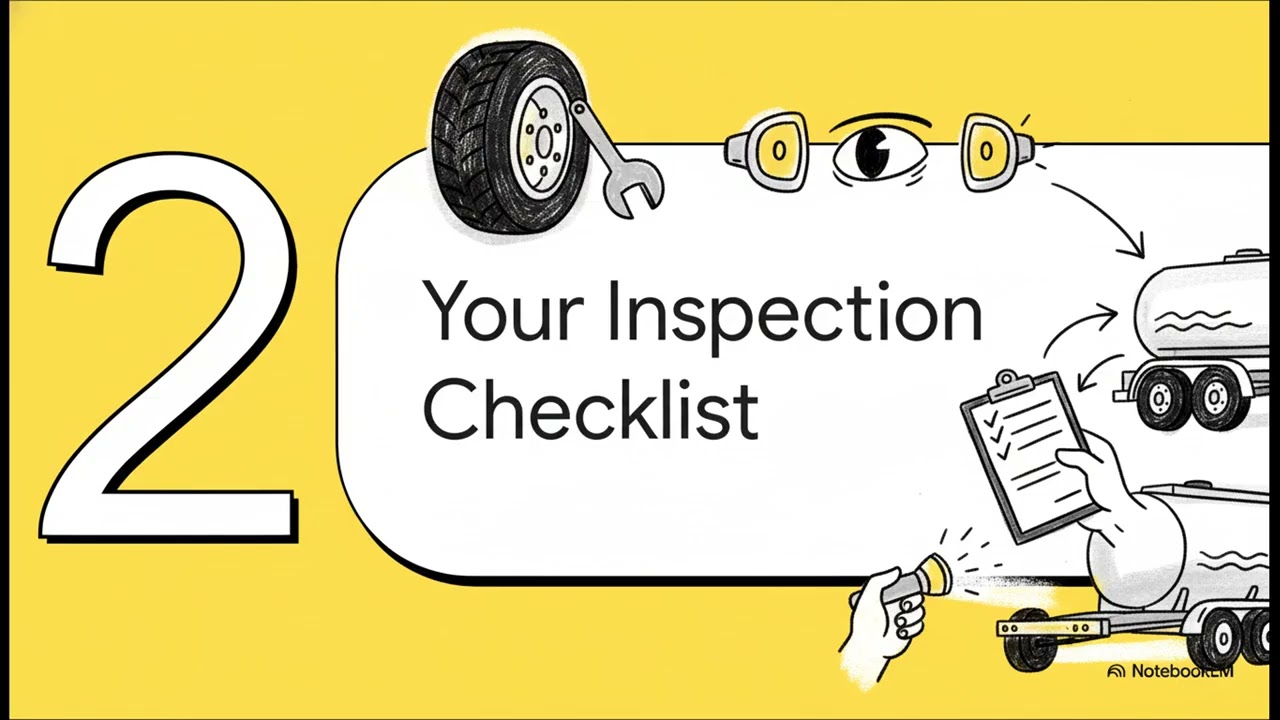
- Walk through the seven-step vehicle-inspection method
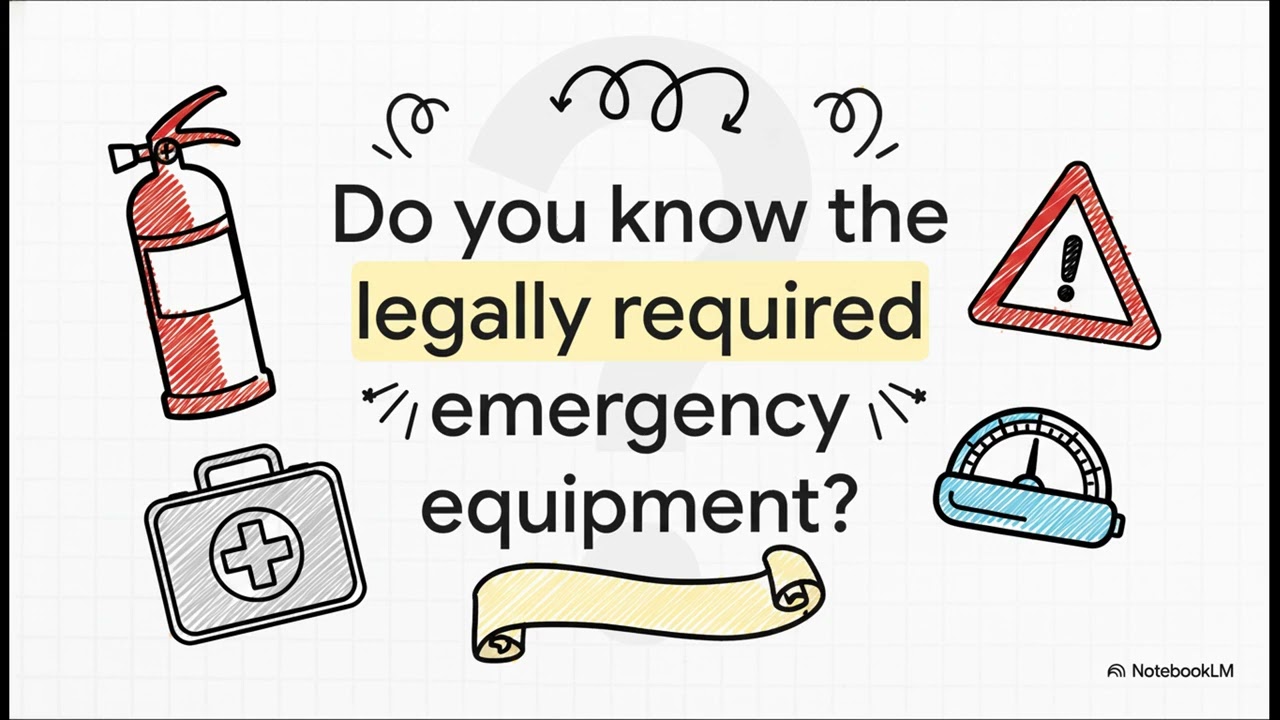
- Identify required emergency gear: 3 triangles or 6 fusees or 3 flares
- Check fluid levels and tire tread: 4/32″ front, 2/32″ other tires
Course 8 of 48
Vehicle Inspection (Part 2)
- Run pre-trip and during-trip cargo checks: first 50 mi, then 150 mi / 3 hr
- Apply the one-tiedown-per-10-feet-of-cargo minimum rule
- Verify weight compliance against GVWR, GCWR, and axle limits
Course 9 of 48
Basic Control of Your Vehicle
- Match speed to stopping distance (60 mph = ~4x the distance at 30 mph)
- Recognize hydroplaning risk above 30 mph in standing water
- Memorize perception time 1.75s and reaction time 0.75-1s
Course 10 of 48
Seeing
- Apply 1 second of space per 10 ft of vehicle below 40 mph
- Add one second when traveling over 40 mph
- Calculate proper distance: a 40-ft truck = 4 seconds minimum
Course 11 of 48
Controlling Speed
- Spot hazards: children, confused drivers, slow-moving vehicles
- Read clues: weaving, sudden speed changes, blocked vision
- Plan escape routes before hazards become emergencies
Course 12 of 48
Managing Space
- Eliminate distractions: texting raises crash risk 23.2x, dialing 6x
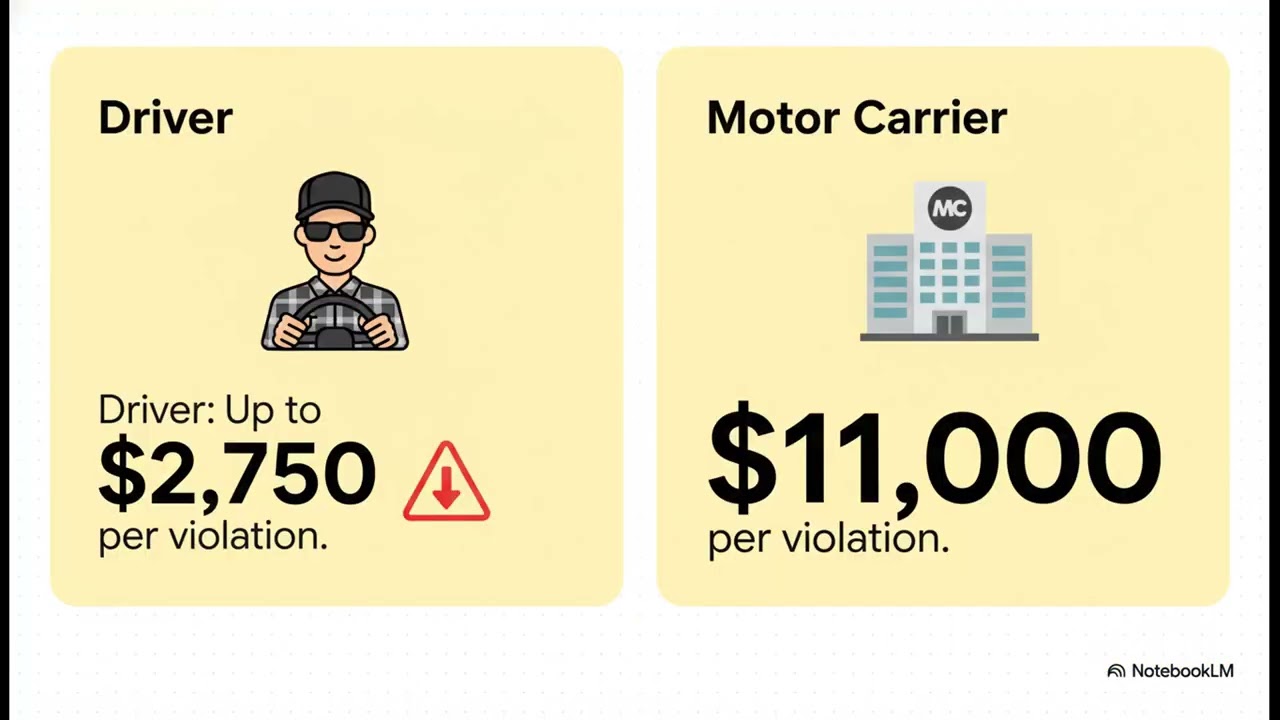
- Recognize penalties: first texting violation $2,750; employers $11,000
- Recall eye-off-road time: texting 4.6s, dialing 3.8s
Course 13 of 48
Seeing Hazards
- Identify aggressive-driver warning signs: speeding, weaving, blocking
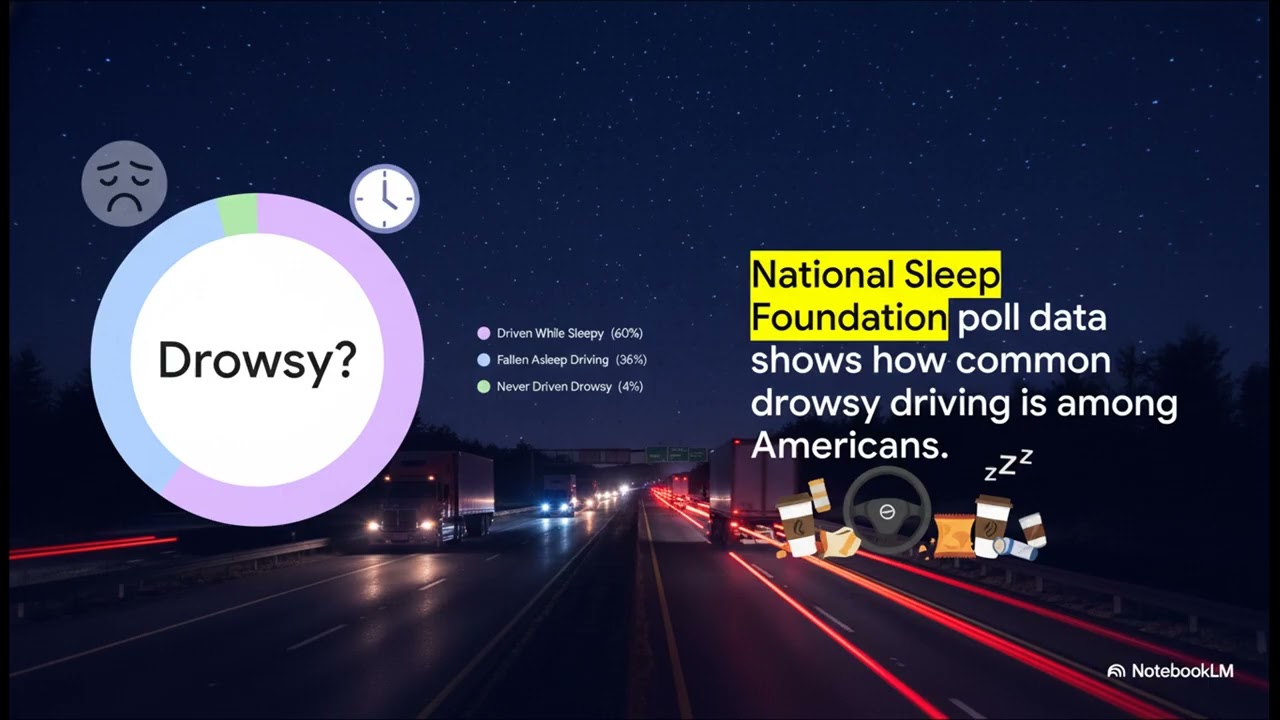
- Recognize fatigue indicators (60% of US drivers admit driving sleepy)
- Apply countermeasures: 8-9 hrs sleep, breaks every 100 miles
Course 14 of 48
Distracted Driving
- State fog rules: reduce speed, use low beams and fog lights
- Apply winter tread requirements: 4/32″ front, 2/32″ other tires
- Remember bridges freeze before open road surfaces
Course 15 of 48
Aggressive Drivers and Road Rage
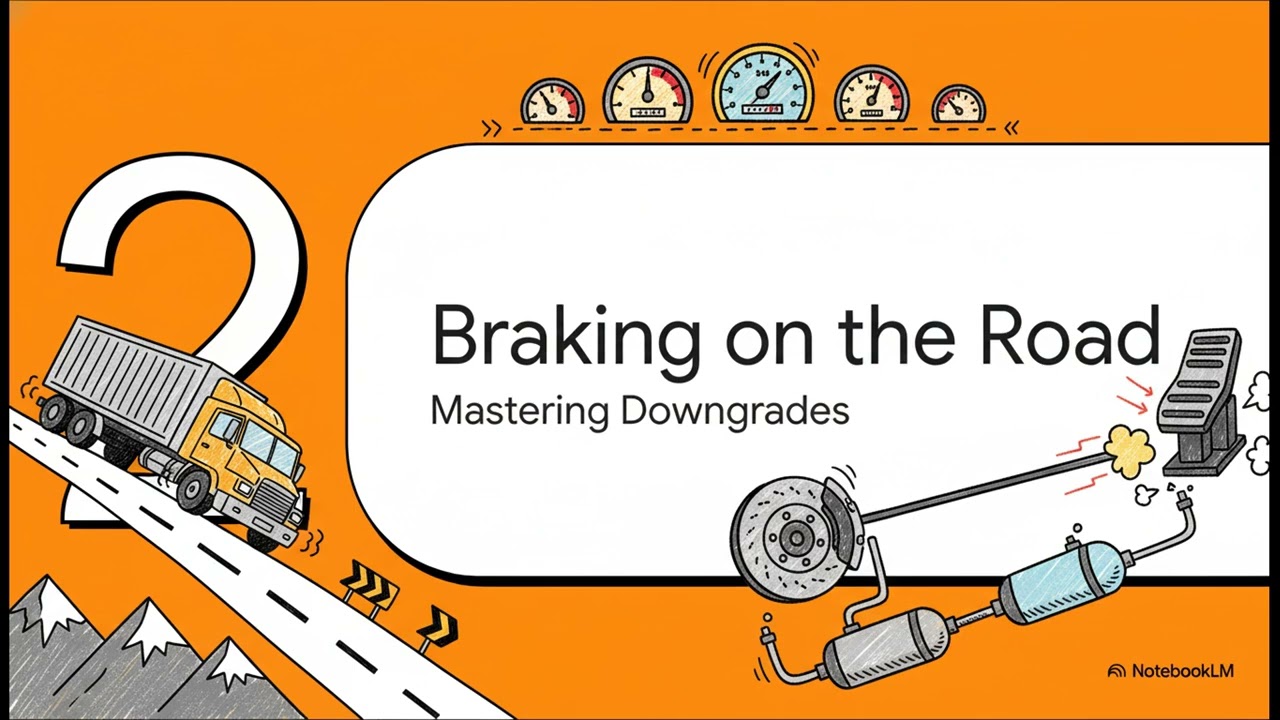
- Use engine braking as the primary control on mountain grades
- Downshift to the proper gear before steep descents
- Hold 20-35 mph on long downgrades to prevent brake fade
Course 16 of 48
Driving in Fog
- Prevent jackknife by steering gently and avoiding quick lane changes
- Name rearward amplification: doubles 2.0x, triples 3.5x
- Recognize rollover causes: sharp turns, speed, light or empty loads
Course 17 of 48
Driving in Very Hot Weather
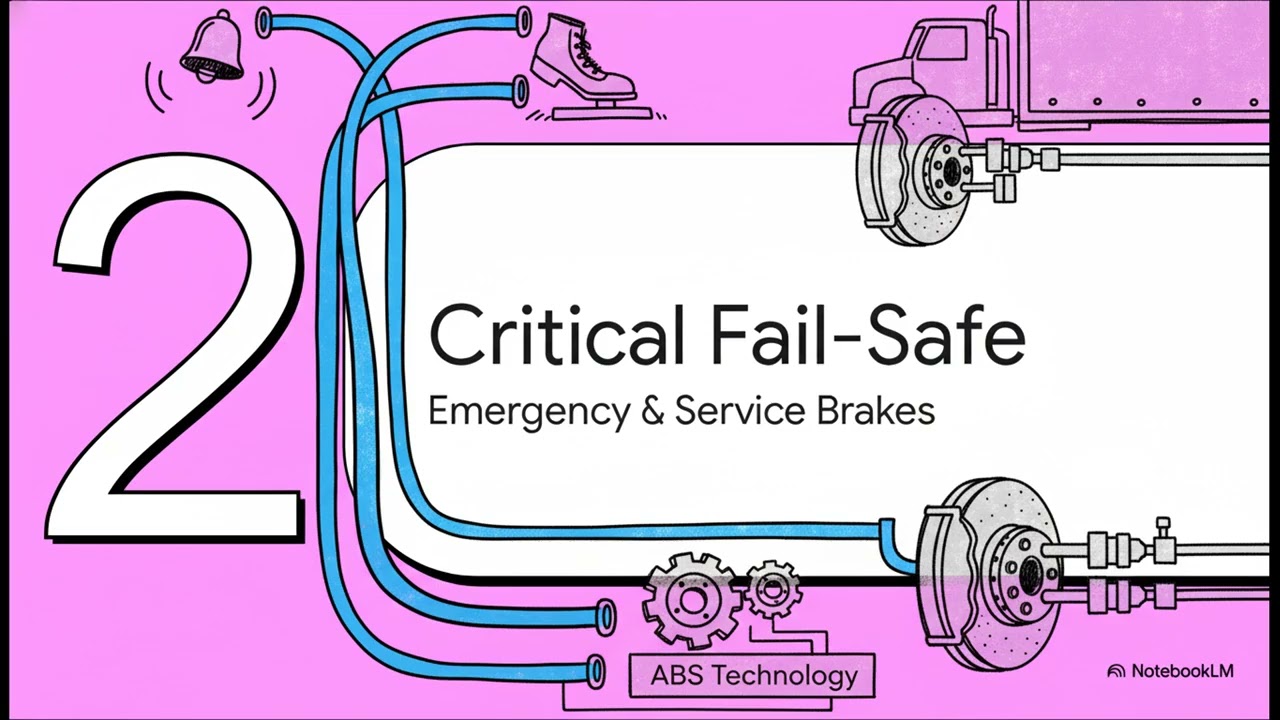
- Verify ABS: lamp on then off; no lamp = normal braking only
- Understand ABS limits: it stops wheel lockup, not loss of traction
- Brake normally in emergencies; ABS engages when wheels would lock
Course 18 of 48
Mountain Driving
- Apply the four crash steps: protect scene, assist, get medical help, notify
- Pick the right extinguisher: A:B:C for most CMVs
- Recognize drink equivalents: 12oz beer = 5oz wine = 1.5oz liquor
Course 19 of 48
Antilock Braking Systems (ABS)
- Apply placard rules: 9.8″ diamond minimum, readable on all four sides
- Identify the two purposes: warn of hazards and inform responders
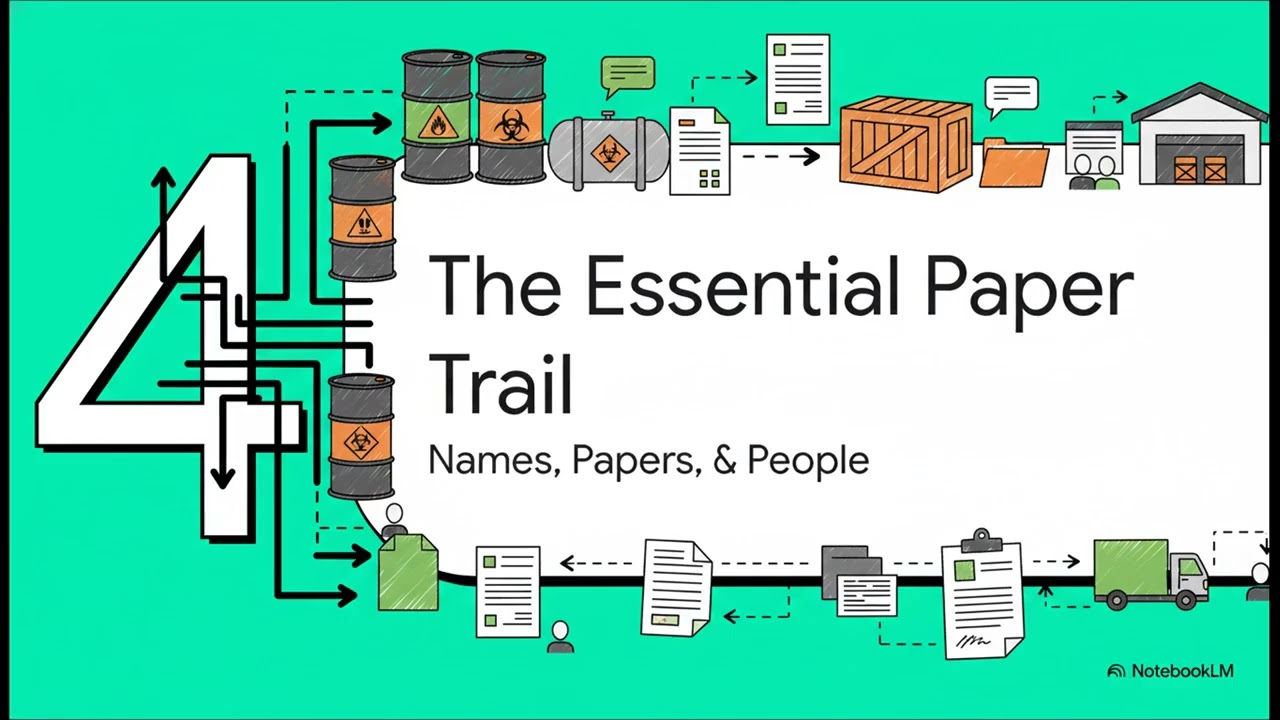
- Keep shipping papers on top of other papers and within driver reach
Course 20 of 48
Crash Procedures
- Inspect cargo: no overload, balanced weight, proper securement
- Apply four cargo duties: weight, balance, securement, and obstruction
- Verify tiedowns are correct type, strength, and attachment
Course 21 of 48
Hazmat Rules for All Commercial Drivers
- Verify bus safety gear: extinguisher, 3 triangles, working emergency exits
- Confirm interior safety: clear aisles, secure seating, working intercom
- Follow approved loading procedure and monitor student behavior
Chapter 3: Cargo 1 lesson
Course 22 of 48
Inspecting Cargo
- Name the air-brake parts: compressor, governor, reservoirs, foot valve
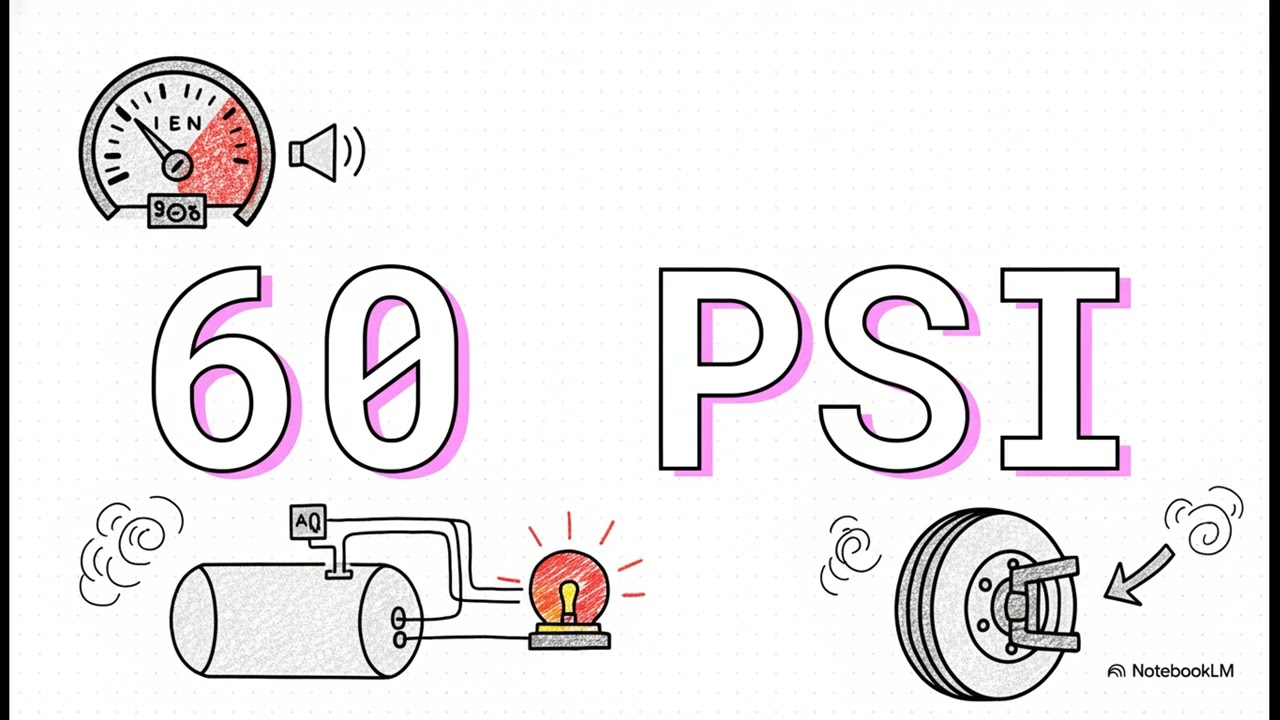
- Memorize PSI thresholds: 120 cut-out, 100 cut-in, 60 warning
- Distinguish service, parking, and emergency brake systems
Chapter 4: Passenger Transport 1 lesson
Course 23 of 48
Vehicle Inspection (Passenger)
- Drain air tanks daily to remove moisture and oil buildup
- Test air pressure buildup: 85-100 PSI in 45 seconds (dual systems)
- Verify the low-pressure warning activates before 60 PSI
Chapter 5: Air Brakes 3 lessons
Course 24 of 48
Parts of an Air Brake System
- Run an air brake test: pump foot brake, hold 1 minute, watch for rise
- Account for ~32 ft brake lag at 55 mph before brakes engage
- Use engine braking on downgrades; service brakes only supplement
Course 25 of 48
Dual Air Brakes
- Identify coupler types: fifth wheel, pintle hook, drawbar
- Verify coupling height: trailer slightly lower than fifth-wheel center
- Test emergency brakes by gently pulling against trailer spring brakes
Course 26 of 48
Using Air Brakes
- Distinguish dual air lines: service (blue) and emergency (red)
- Know the tractor protection valve: closes at 20-45 PSI, supplies trailer
- Match glad-hand colors: blue service, red emergency
Chapter 6: Combination Vehicles 4 lessons
Course 27 of 48
Driving Combination Vehicles Safely
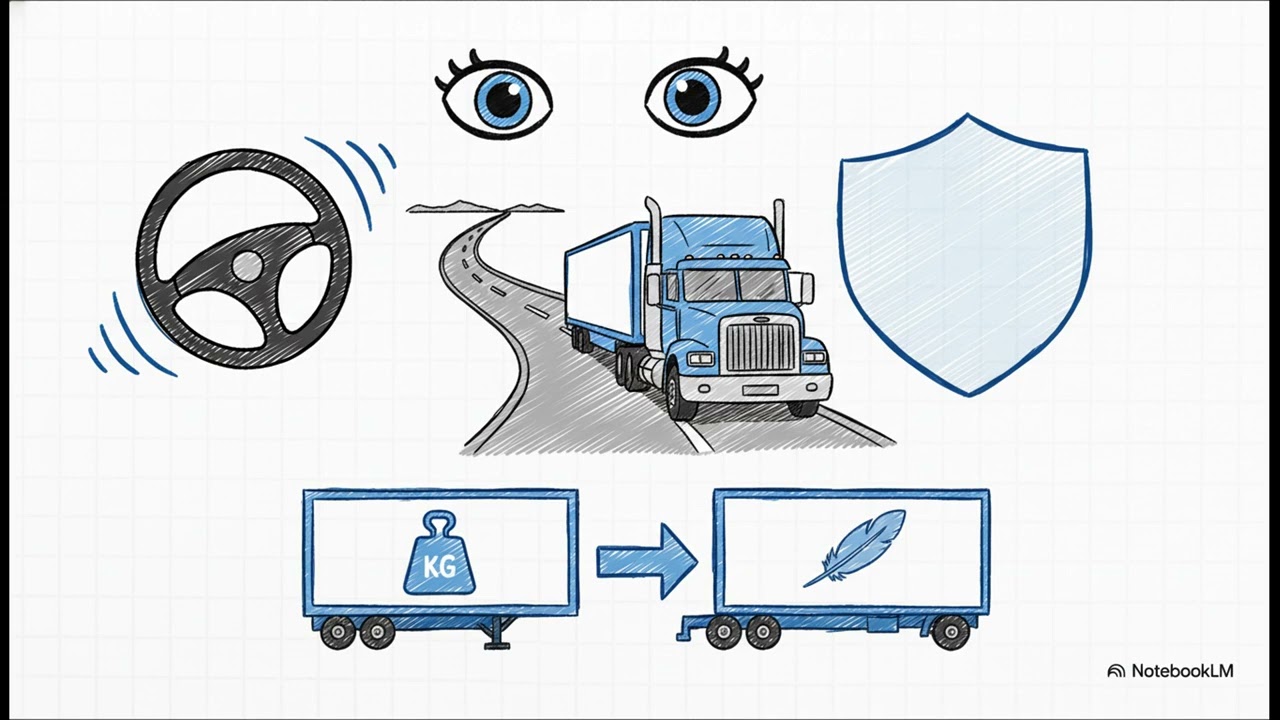
- Couple doubles correctly: lighter trailer goes to the rear
- Set shut-off valves: all open except rear of last trailer (closed)
- Confirm air reaches every trailer’s brake system
Course 28 of 48
Combination Vehicle Air Brakes
- Recognize tank centers of gravity and surge effects
- Apply outage requirement: never fill a tank totally (liquid expansion)
- Avoid rollover: slow before curves, smooth acceleration and braking
Course 29 of 48
Antilock Brake Systems (Combination)
- List hazmat classes 1-9 plus ORM-D
- Read shipping papers: proper name, class, ID number
- Place placards: 4 identical, readable from 4 sides, 9.8″ minimum
Course 30 of 48
Coupling and Uncoupling
- Memorize hazmat communication rules: papers accessible, placards visible
- Use the segregation table to prevent loading incompatible materials
- Apply Division 1.1/1.2/1.3 rule: written route plan required
Chapter 7: Doubles and Triples 1 lesson
Course 31 of 48
Pulling Double and Triple Trailers
- Load hazmat safely: closed cargo space, secured containers, no overhang
- Prevent contact: never load corrosives above Division 6.1/2.3 poisons
- Apply class rules: explosives off, poison gas separated, cyanides isolated
Chapter 8: Tank Vehicles 1 lesson
Course 32 of 48
Inspecting Tank Vehicles
- Respond to hazmat emergencies: call 911 and NRC at 800-424-8802
- Avoid touching spilled material; contact dispatcher or supervisor first
- Use ChemTREC at 800-424-9300 for 24-hour emergency information
Chapter 9: Hazardous Materials 6 lessons
Course 33 of 48
Hazardous Materials Overview
- Define hazmat key terms: placards, shipping papers, ID numbers
- Recognize the hazardous materials table’s classes and divisions
- Understand reportable quantity (RQ) and marine pollutant marking
Course 34 of 48
Communication Rules
- Confirm school bus endorsements: ‘S’ plus ‘P’ both required
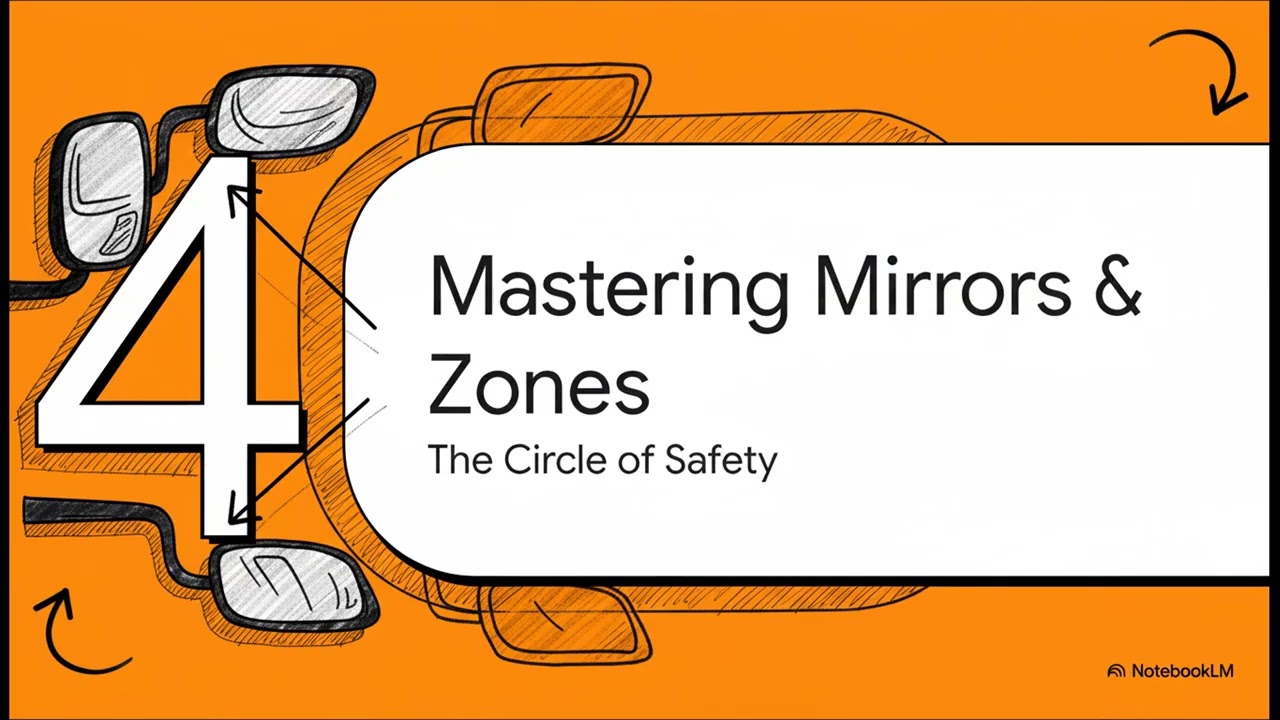
- Memorize danger zones: 30 ft front (10 worst), 10 ft sides, 10 ft rear
- Adjust mirrors: flat plus convex for overlap coverage
Course 35 of 48
Loading and Unloading
- Operate flashing reds and stop arm during loading and unloading
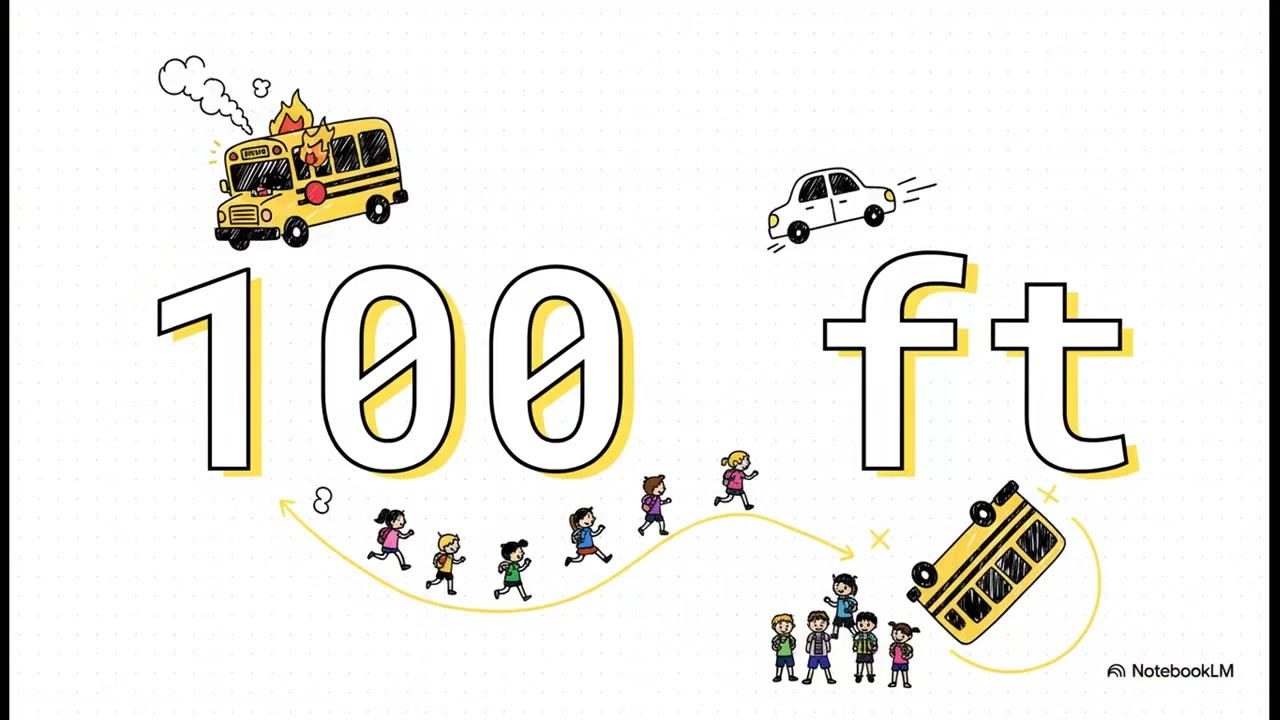
- Hold students 10-12 ft in front of the bus before crossing
- Keep students seated until near the door, then in the safe zone
Course 36 of 48
Bulk Packaging Marking, Loading and Unloading
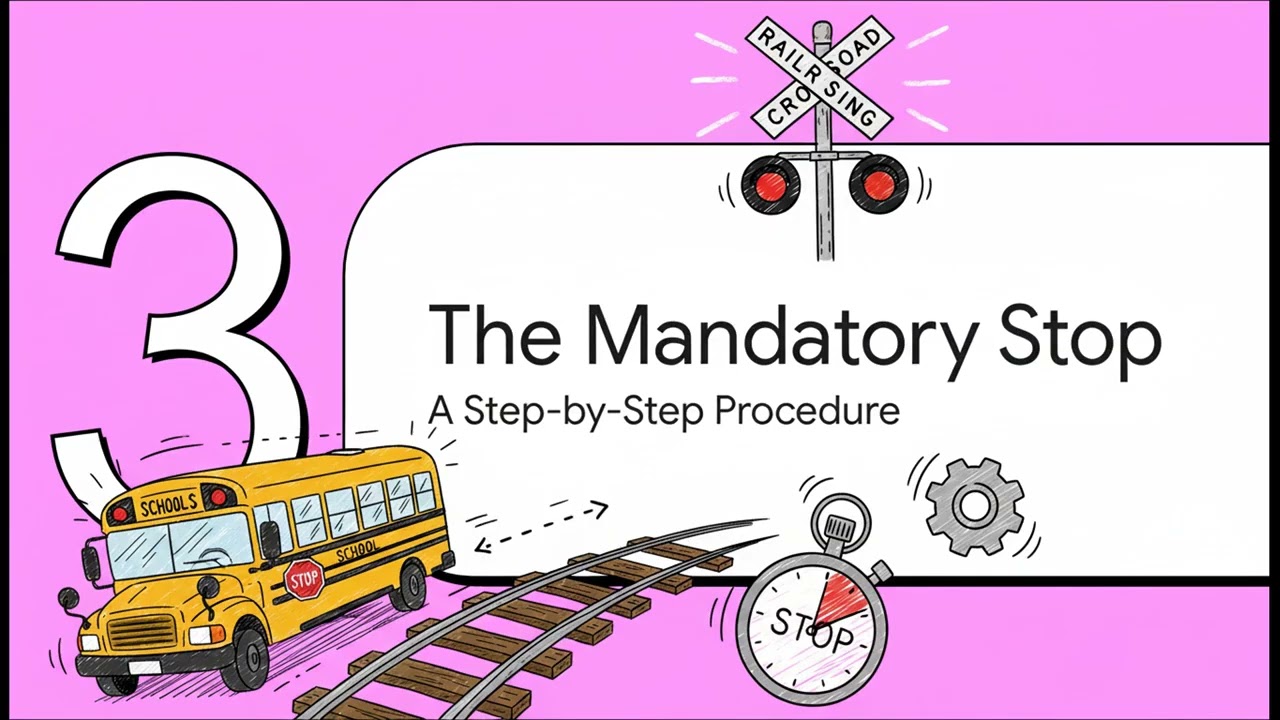
- At rail crossings: stop 15-50 ft before the tracks and check clearance
- Verify train safety: look, listen, ensure all tracks clear
- Manage students: seated before moving, exit safely
Course 37 of 48
Hazmat Emergencies
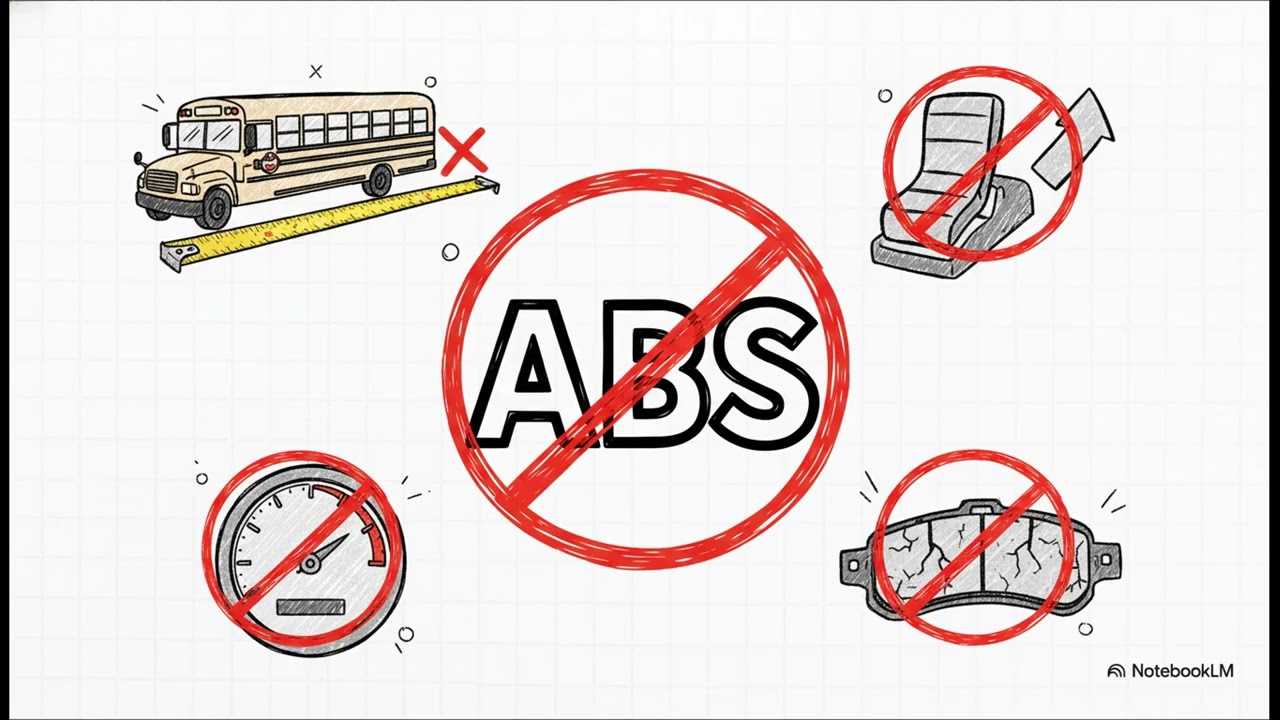
- Apply school-bus ABS: brake normally, do not pump in emergencies
- Recognize the ABS lamp: on then off is normal
- Avoid backing the bus unless necessary, with a lookout assisting
Course 38 of 48
Hazmat Glossary
- Inspect the school bus against the full CDL safety checklist
- Test air brakes: governor cut-in 100 PSI, cut-out 125 PSI
- Verify functional extinguisher and emergency exit doors
Chapter 10: School Buses 8 lessons
Course 39 of 48
State License Requirements
- Identify school-bus features: stop arm, safety arm, student lights
- Demonstrate emergency exits: operable, closable, undamaged
- Confirm passenger seating is secure and student-safe
Course 40 of 48
Loading and Unloading (School Bus)
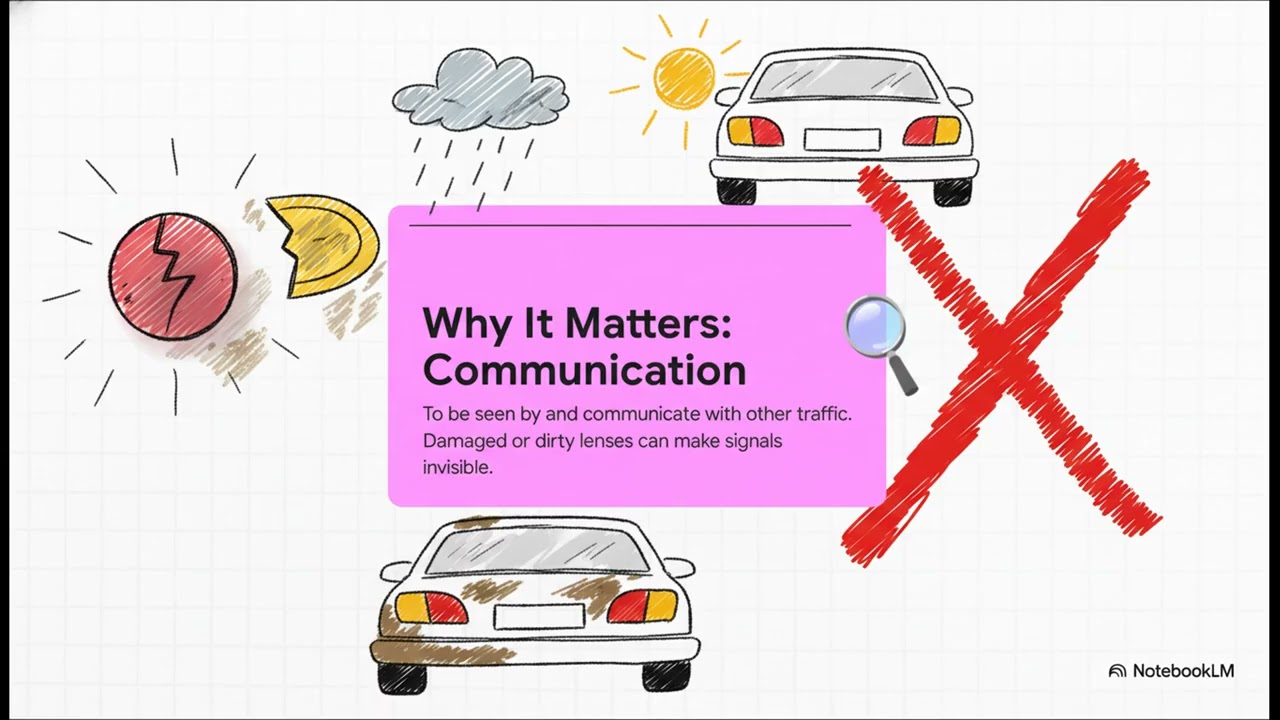
- Run lights operations check from outside the bus
- Test emergency lights: 4-way flashers and student loading lights
- Verify reflectors are clean, correctly colored, and intact
Course 41 of 48
Emergency Exit and Evacuation
- Execute four basic-control exercises: forward stop, straight back, offsets
- Score yourself: 1-2 free pull-ups; encroachments count as errors
- Keep the vehicle inside boundaries except mirrors and unique parts
Course 42 of 48
Railroad-Highway Crossings
- Drive safely: no crashes, no pedal rollback, proper lane usage
- Perform required maneuvers: lane changes, turns, smooacceleration / braking
- Follow examiner instructions exactly or risk immediate test termination
Course 43 of 48
Antilock Braking Systems (School Bus)
- Tour the three CDL test parts: vehicle inspection, basic control, road test
- Demonstrate safe operation: following distance, observing signals
- Apply road-test knowledge: railroad procedures and load/unload
Course 44 of 48
Vehicle Inspection for School Bus
- Pass road test: signaling, smooth operation, safe maneuvers
- Perform specific maneuvers: lane changes, turns, identify bridges
- Avoid disqualifications: starting in wrong lane (1) or twice (2+)
Course 45 of 48
Passenger and School Bus Only
- Score basic-control: final position is critical on straight backing
- Master forward stop in 3-ft box and straight backing
- Demonstrate vehicle control: offset tracking and reverse offset
Course 46 of 48
Combination Vehicles (School Bus)
- Complete the road test through a varied traffic route
- Maintain safe following distance and smooth driving throughout
- Respond to examiner directions without unsafe behavior
Chapter 11: Vehicle Inspection Test 1 lesson
Course 47 of 48
Scoring
- Map the three-part CDL skills test sequence and scoring
- Execute basic-control exercises with proper vehicle position
- Show road-test readiness with safe, attentive driving habits
Chapter 12: Skills and Road Test 1 lesson
Course 48 of 48
How You Will Be Tested
- Understand the full CDL test: knowledge, vehicle inspection, skills
- Prepare for road test: bridges, overpasses, railroad crossings
- Apply manual knowledge: safe operation, hazards, emergency response
Ready for the full course?
Free content gets you started. If you want the fastest path to the right answers, see every endorsement pack and choose the one that matches your test.